What Is HIPAA? Meaning, Purpose, and Compliance in Healthcare
Introduction
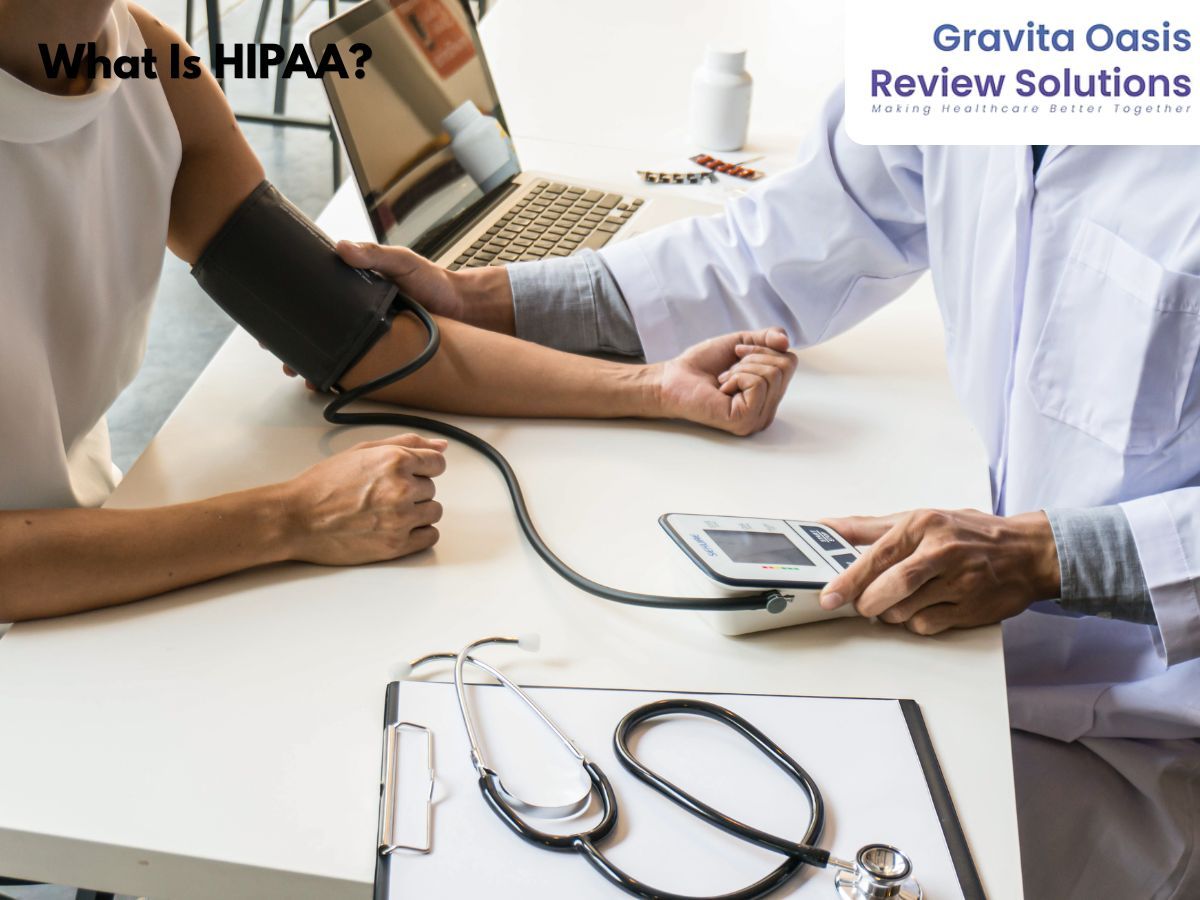
If you work in healthcare or you’re just starting a home health agency, you’ve probably heard “HIPAA” a bunch of times. But, really, what is HIPAA and why does it matter so much?
HIPAA is a federal law in the United States; it helps protect a patient’s health information. It also lays down the rules for healthcare providers, health plans, and other groups about how they grab, keep, use, and share patient info in a secure way.
In this guide you’ll go over what the Health Insurance Portability and Accountability Act , HIPAA means in plain terms, why it was created, what HIPAA compliance is, and who exactly has to follow it.
What Does HIPAA Stand For and What Is Its Purpose?
The HIPAA abbreviation, in the medical field, stands for Health Insurance Portability and Accountability Act. It was signed into law in 1996, so the whole thing has been around for a while now.
The main purpose of HIPAA is to:
- Protect patients' private health information.
- Improve the security of healthcare data.
- Reduce healthcare fraud and abuse.
If someone asks you to define HIPAA and why it was created, the simplest version is that HIPAA exists to protect patient information, and also to make the healthcare system more secure and more efficient.
What Is HIPAA Compliance in Healthcare?
HIPAA compliance is keeping within all the rules and standards that HIPAA put in place, so that patient information stays protected and secure, in a sort of consistent way.
It means healthcare organizations must:
- Protect patient information from unauthorized access.
- Train employees on HIPAA rules.
- Use secure systems to store patient records.
Healthcare organizations can’t just grab patient details and dump them in any old place, you know. they have to use secure systems, plus follow pretty strict steps, even if it feels a little tedious.
HIPAA Covered Entities
Another common question is what exactly is a covered entity under HIPAA. A covered entity is an organization or sometimes even a person who has to follow HIPAA rules, because they create receive, keep or share protected health information, also known as PHI.
Examples of HIPAA covered entities include:
Healthcare Providers
These include:
- Doctors
- Hospitals
- Home health agencies
- Clinics
- Dentists
If these providers send health information electronically for certain administrative or financial transactions, they are generally considered covered entities under HIPAA.
Health Plans
Health plans include organizations that pay for or provide medical coverage, such as:
- Health insurance companies
- HMOs
- Medicare
Healthcare Clearinghouses
Healthcare clearing houses process healthcare info between the providers on one side and insurance companies on the other. They do this by converting medical data into more standardized formats , so then claims and billing stuff can be handled correctly.
HIPAA Compliance Analysis
A HIPAA compliance analysis helps an organization spot risk spots for patient information and then figure out where things need improvement.
A typical HIPAA compliance analysis includes:
- Reviewing how patient information is collected, stored, and shared.
- Identifying possible security risks.
Who Is Not Required to Follow HIPAA Compliance?
Although HIPAA applies to many healthcare organizations, not everyone is required to follow it.
Examples of organizations that are generally not covered by HIPAA include:
- Employers (when handling employee records that are not health plan records)
- Schools (most student education records are covered by FERPA, not HIPAA)
- Life insurance companies
However, if an organization works as a business associate for a covered entity and has access to protected health information (PHI), it must follow applicable HIPAA requirements.
Also Suggested This: CDI in Healthcare
What Information Is Protected Under HIPAA (PHI)?
A key aim of HIPAA is to shield Protected Health Information (PHI) , in a way that is more secure than most folks. PHI means pretty much any data that can identify a specific patient and it also ties back to how they’re doing health wise, the healthcare services they receive, or payment for that healthcare .
Examples of PHI include:
- Patient name
- Home address
- Date of birth
- Phone number
- Email address
- Billing records
PHI can exist in different forms, including:
- Paper medical records
- Electronic health records (EHR)
- Emails
- Digital files
What Is a HIPAA Violation?
A HIPAA violation is when protected health information gets looked at, used, or shared without the right permission, or when an organization just doesn’t follow the HIPAA rules. It’s any kind of action that puts a patient’s personal medical data in a vulnerable position , or which breaks the HIPAA privacy and security requirements.
HIPAA Compliance Requirements Checklist
Healthcare organizations can improve what is HIPAA compliance in healthcare by following this simple checklist:
- Conduct regular HIPAA risk assessments.
- Develop written privacy and security policies.
Why HIPAA Compliance Matters for Home Health Agencies?
For home health agencies, understanding what HIPAA is, is especially important because caregivers and clinicians handle patient information every day, in practice. They gather medical histories, fill out assessments, talk to physicians, and keep up with health records, all day long.
HIPAA, OASIS Documentation, and Patient Data Protection
The Outcome and Assessment Information Set, or OASIS, is a standardized assessment tool used by Medicare-certified home health agencies for adult patients who are getting skilled home health services.
Since OASIS assessments include Protected Health Information, also PHI, they have to be managed under HIPAA rules.
Home health agencies should:
- Allow only authorized staff to access OASIS records.
- Store electronic OASIS documentation in secure systems.
- Regularly review access to patient records.
Maintaining accurate and secure OASIS documentation supports both quality patient care and HIPAA compliance.
How Gravita Oasis Review Supports Compliance Readiness?
Keeping HIPAA compliance kind of depends on having accurate records and doing a careful check of patient charts. If there are mistakes, missing details , or documentation that doesn’t line up, then those things can raise compliance risks a lot.
Gravita Oasis Review helps home health organizations by assisting them with better quality, and more precise OASIS documentation. With in depth chart reviews and hands on support for documentation, agencies can spot likely documentation gaps before anything gets submitted.
Gravita helps agencies by supporting:
- Accurate OASIS documentation review.
- Improved documentation consistency.
- Better clinical record quality.
FAQs About HIPAA
Q1. What is the difference between HIPAA privacy and security rules?
The Privacy Rule kind of governs how patient health information gets used and shared , in a more general sense. The Security Rule, on the other hand, it shields electronic health information, especially (ePHI), by putting in place the needed security measures, so it’s handled carefully.
Q2. Can a patient report a HIPAA violation?
Yes. A patient can mention a suspected HIPAA violation to their healthcare provider, or—if it feels right, file a complaint with the HHS Office for Civil Rights (OCR), that’s the deal.
Q3. Does HIPAA apply to family members?
No. HIPAA mostly targets covered entities and business associates, not really family members. Yet, a provider may still pass along certain information to a family member if it’s allowed under HIPAA, it can get a bit situational.
Q4. How does HIPAA specifically impact OASIS data entry?
HIPAA says OASIS patient information has to be entered, kept, and shared securely—like, not just loosely. In general, access to OASIS records should be limited to authorized staff, so patient privacy stays protected.
Q5.What are the top 5 HIPAA abbreviations?
Some of the most commonly used HIPAA-related abbreviations are:
- HIPAA – Health Insurance Portability and Accountability Act
- PHI – Protected Health Information
- ePHI – Electronic Protected Health Information
- OCR – Office for Civil Rights
- BAA – Business Associate Agreement
- Also Suggested This: What Is Credentialing in Medical Billing?
- Also Suggested This: What Is Credentialing in Medical Billing?