What Is a Virtual Medical Assistant? Roles, Benefits and How to Hire One
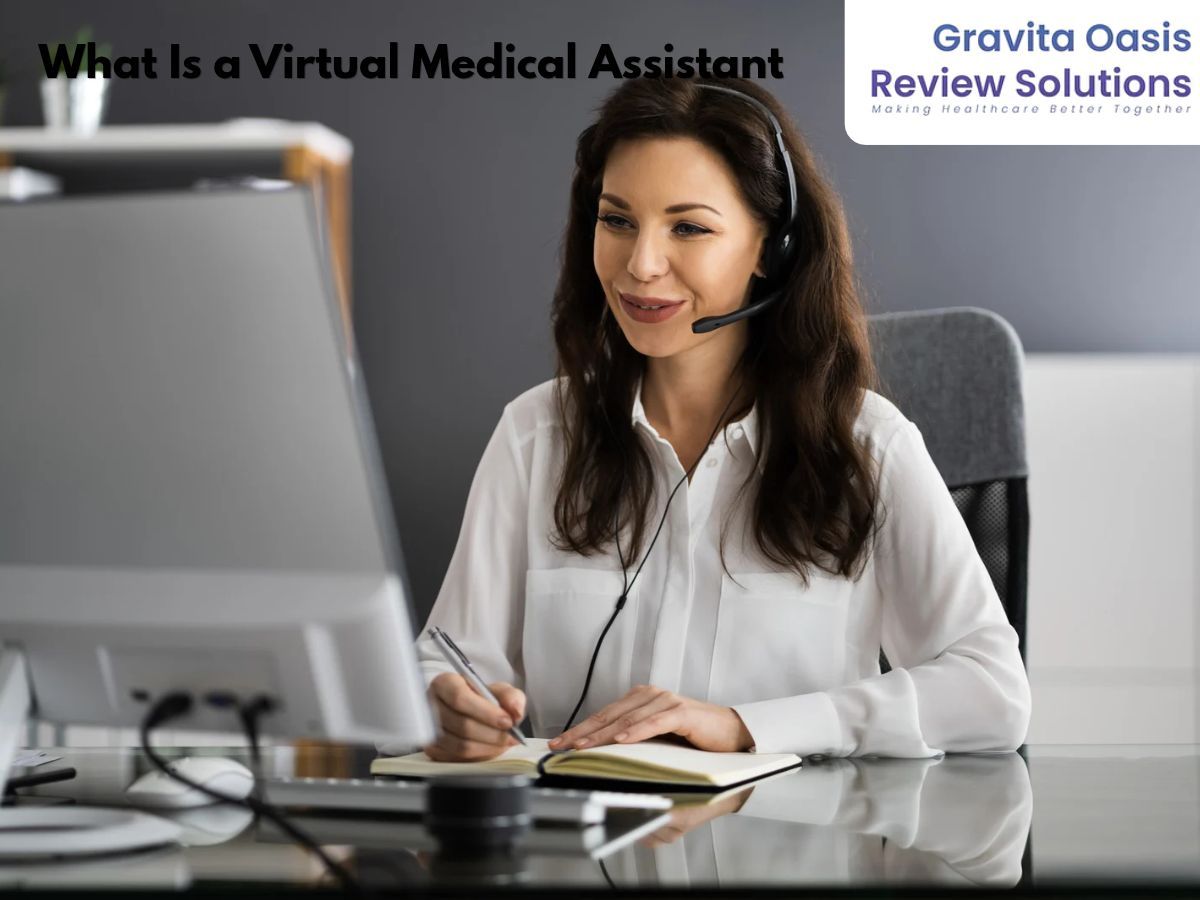
A virtual medical assistant is, basically a remote professional who helps healthcare providers with all those administrative tasks like billing documentation scheduling patient messages and other non-clinical stuff. Depending on the practice it can mean different things too, sometimes it focuses on one service, like just appointment organizing, other times it handles several workflows including insurance checking and billing.
For home health organizations this kind of support can be really useful because staff often have to juggle a lot of paperwork, authorizations, coding, and reimbursement work, while still doing patient-care responsibilities.
What Is A Virtual Medical Assistant?
A virtual medical assistant is a trained professional who works remotely and supports healthcare providers using secure digital systems . It’s like they do the day to day heavy lifting from a distance, but still within strict privacy rules . Unlike a general virtual assistant, a Virtual Healthcare Assistant typically understands medical terminology , the healthcare way of doing things, electronic health records (EHRs) and also insurance procedures, plus patient communication.
Depending on the role, Virtual Medical Assistance can include:
- Appointment scheduling and confirmation
- Patient communication
- Insurance verification
- Patient registration
- EHR data entry
- Medical records management
- Referral coordination
- Prior authorization support
- Billing assistance
- Claims follow-up
- Documentation support
Competitor research shows that virtual medical assistants commonly support, scheduling, EHR management, patient inquiries , insurance verification, billing and documentation.
The important point is that a Virtual Healthcare Assistant doesn’t replace a physician, nurse, or other licensed clinical professional . Instead, this role is meant to reduce administrative load so healthcare teams can spend more time on patient care, in a smoother , almost quieter, way.
Types of Virtual Medical Assistants
There isn’t really just one kind of Virtual Healthcare Assistant. In practice, healthcare organizations can grab different specialists depending on what they need day to day, plus how their workflows are set up and run. So, it’s not a one size fits all situation, or anything like that.
1. Virtual Medical Receptionist
This kind of person, a virtual receptionist, handles front desk tasks from a distance. You might see things like answering calls, setting up appointments, confirming visits, catching and relaying messages, and sharing simple information with patients
2. Virtual Medical Billing Assistant
This role is geared toward billing and revenue chores. It can cover claim prep, insurance verification, payment posting, denial follow up, and help with accounts receivable. In other words, the money related side, but still in a virtual format
3. Virtual Medical Coding Assistant
A coding centered Virtual Healthcare Assistant reviews clinical notes and maps them to the right medical codes, based on the coding rules that apply. The trickier coding calls should stay with a qualified professional, not just an automated pass or a general scan
4. Virtual Medical Scribe
A virtual scribe supports clinical documentation. The scribe may prepare, organize, or structure documentation based on the provider-patient meeting, but the clinician is still fully responsible for what lands in the medical record
5. Insurance Verification Assistant
Here the Virtual Medical Assistance is mainly about verifying insurance eligibility and benefits before appointments or procedures, so surprises are kept down
6. Prior Authorization Assistant
Prior authorization assistants help gather the needed details, send authorization requests, watch the status, and do follow ups with payers until it’s sorted out
7. Patient Care Coordination Assistant
A Virtual Healthcare Assistant may also do follow up calls, handle referral coordination, send appointment reminders, and help bridge communication between patients and healthcare teams. That coordination piece matters, even if it’s mostly remote
Key Roles and Administrative Tasks of a Medical Virtual Assistant
The Administrative Tasks Of A Medical Virtual Assistant varys a bit depending on the organization, specialty, patient volume, and the specific systems being used, like each clinic setup is different.
Common responsibilities include:
Appointment management: Scheduling, rescheduling, confirming, and cancelling appointments.
Patient communication: Responding to calls emails, portal messages, and routine patient questions.
EHR management: Entering and updating patient information, and maintaining accurate records.
Insurance support: Checking eligibility, benefits, authorization requirements, and payer information.
Billing support: Assisting with claim preparation, payment posting, denial follow-up, and accounts receivable activities.
Documentation: Organizing patient records, and supporting documentation workflows.
Referral coordination: Processing referrals and communicating with specialists or other healthcare organizations.
Data entry: Maintaining accurate demographic, insurance, and clinical information.
These responsibilities line up with industry descriptions of remote medical assistant roles, which typically cover patient data entry, appointment scheduling, records maintenance, insurance verification, billing support, and patient follow-up, yes.
For this reason, Virtual Medical Assistance can be customized rather than treated as a fixed package.
Reasons to Hire a Virtual Medical Assistant
There are a few reasons why to hire a Virtual Medical Assistant, especially when your practice is feeling that slowly growing, admin load. Like, suddenly everything becomes paperwork and follow-ups and phones right.
Reduce Staff Workload
A Virtual Healthcare Assistant can take care of repeated, routine administrative tasks, so your in house team can focus on more important responsibilities, the high priority kind.
Improve Patient Communication
Missed calls, late replies, and appointment coordination issues can quietly hurt the patient experience. With remote help you can keep communication steady, more or less consistently.
Also Suggested This: What Is DME Billing?
Control Operating Costs
Having a remote workforce can cut certain expe
Also Suggested This: What Is RCM for Home Health?nses that come with office based staffing and physical infrastructure. What you save really depends on the provider, your location, the volume of work, and how the employment arrangement is set up.
Support Growing Practices
When a practice starts expanding, it might need extra help before you build a bigger in office department. Virtual Medical Assistance gives that kind of adaptable capacity, no big long commitment required.
Reduce Administrative Delays
If scheduling, documentation, insurance verification, and follow up actions get completed on time, then healthcare workflows tend to move smoother, and less stuck in that waiting mode.
Benefits of a Medical Virtual Assistant
The Benefits Of A Medical Virtual Assistant extend beyond reducing paperwork.
A well-integrated Virtual Healthcare Assistant can help improve:
- Workflow efficiency
- Patient communication
- Appointment management
- Data accuracy
- Insurance verification
- Billing support
- Administrative productivity
- Staff capacity
Virtual assistants can also work with existing EHR and communication systems, depending on the organization's technology environment and the assistant's training. MedVirtual, for example, highlights EHR management, patient inquiries, scheduling, and healthcare software familiarity as important elements of the role.
However, healthcare organizations should establish appropriate access controls, security procedures, training, and oversight before giving a remote worker access to protected health information.
How to Become a Medical Virtual Assistant?
People researching How To Become A Medical Virtual Assistant should start by grasping both healthcare administration side of things and the real remote-work needs, not only the job title or the keywords.
Step 1: Learn Medical Terminology
Having a solid feel for common medical terms helps professionals talk clearly with providers and patients, especially when things are time sensitive.
Step 2: Understand Healthcare Administration
Get familiar with scheduling, patient registration, insurance verification, EHR systems, and the day to day clinic flow like what happens before after, and why
Step 3: Develop Technology Skills
A Virtual Healthcare Assistant really needs to be at ease with computers, chat or video platforms, EHR systems, appointment tools, and a bunch of other digital stuff
Step 4: Learn About HIPAA
Know the privacy rules, and how HIPAA works, because handling protected health information isnt casual or optional
Step 5: Consider Certification or Training
Certification isnt always required for each remote medical assistant role. Still, the right training or coursework can improve how employable you look. ZipRecruiter mentions that some employers are fine with a high school diploma or equivalent, while education in medical assisting, health information, or medical billing can strengthen a candidate profile.
Step 6: Gain Healthcare Experience
Any experience with medical administration, customer support, billing, coding, or general healthcare assistance can make it easier to get approved for remote work
So, if someone is asking How To Become A Medical Virtual Assistant, the best angle is to blend healthcare know-how, technology comfort, solid communication, and privacy training, all of it together in one go.
Why Home Health Practices Need a Virtual Medical Assistant?
Home health agencies have unique administrative demands. Teams must coordinate patient information, documentation, authorizations, assessments, coding, billing, and payer requirements.
A Virtual Healthcare Assistant can support these workflows remotely and help reduce the administrative workload on clinical teams.
For example, Virtual Medical Assistance can support:
- Patient intake
- Data entry
- Documentation organization
- Authorization follow-up
- Scheduling
- Insurance-related tasks
- Billing support
- EHR updates
- Communication and follow-ups
This can allow clinicians to spend more time on patient care while administrative professionals manage operational workflows.
How Gravita Oasis Review Supports Home Health Practices with Virtual Assistance?
Gravita Oasis Review Solutions supports home health agencies with medical billing, coding, OASIS review, prior authorization, data entry, and revenue cycle management.
Its data-entry and AI automation services help manage EHR/EMR records, billing, documentation, authorizations, and reporting while maintaining human oversight.
This makes Gravita Oasis Review a useful option for home health agencies looking for reliable Virtual Medical Assistance and technology-supported workflows.
FAQs on Virtual Medical Assistant
Q1. What is the difference between a virtual medical assistant and a medical scribe?
A virtual medical assistant handles tasks like scheduling, patient communication, insurance verification, and billing. A medical scribe mainly focuses on clinical documentation.
Q2. Is a virtual medical assistant HIPAA compliant?
Yes, a virtual medical assistant can work in a HIPAA-compliant environment when proper training, secure systems, access controls, and privacy procedures are followed.
Q3. How much does a medical virtual assistant cost?
The cost varies based on experience, location, working hours, services, and whether they are hired directly or through an agency.
Q4. Can a virtual medical assistant handle medical billing?
Yes. Depending on their training, they can assist with insurance verification, claims, payment posting, denial follow-up, and other billing tasks.
Q5. Do virtual medical assistants need certification?
Not always. Certification requirements depend on the employer and role, but medical assisting, billing, coding, and HIPAA training can improve job opportunities.
Q6. What are the administrative tasks of a medical virtual assistant?
Common tasks include appointment scheduling, patient communication, EHR updates, data entry, insurance verification, referrals, documentation, and billing support.